Early childhood is the time when children learn how to talk, share, express feelings, and build relationships. These social and emotional skills are just as important as learning numbers or alphabets, because they shape a child’s confidence, behaviour, and ability to adjust in school and life.
Preschools play a big role in this stage of development. In a preschool environment, children interact with other kids, listen to teachers, follow routines, and learn how to express their emotions in healthy ways. Experts from organizations like UNICEF highlight that early learning experiences strongly influence a child’s personality, communication skills, and future success.
By giving children opportunities to play, cooperate, and solve small problems together, preschools help build the foundation of strong social behaviour and emotional understanding. For many parents, understanding this role of preschool can make it easier to choose the right learning environment for their child.
What Are Social and Emotional Skills in Young Children?
This skills are the abilities children use to understand their feelings, express themselves, and interact positively with others. These skills begin developing from a very early age and form the base of a child’s behaviour, confidence, and relationships.
 Social Skills (How children interact with others)
Social skills help children communicate and build relationships. In young kids, these include:
- Learning to share toys and take turns
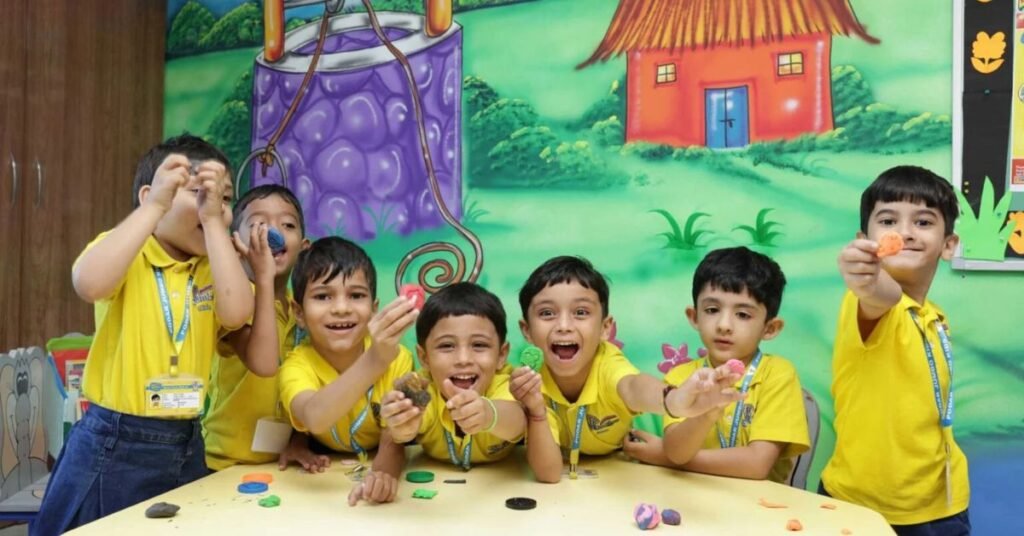
- Playing cooperatively with other children
- Listening when someone is speaking
- Saying polite words like “please” and “thank you”
- Making friends and joining group activities
These skills teach children how to function in a classroom, playground, and later in society.
Emotional Skills (How children understand and manage feelings)
Emotional skills help children recognise and handle their emotions in a healthy way. Examples include:
- Identifying feelings like happy, sad, angry, or scared
- Expressing emotions using words instead of crying or hitting
- Learning patience and self-control
- Developing empathy (understanding when someone else feels upset)
- Feeling confident to try new things
These skills help children stay calm, solve small problems, and build self-confidence.
Why These Skills Matter Early
Research from child-development experts such as American Academy of Pediatricsh shows that strong skills in early childhood are linked to:
- Better school adjustment
- Stronger friendships
- Improved communication
- Higher confidence and independence
What Role Does Preschool Play in a Child’s Social Development?
Preschool plays a powerful and long-lasting role in shaping a child’s social abilities. During early childhood, children begin learning how to interact with others, manage emotions, follow rules, and build relationships.
Below is a detailed explanation with expanded insights into how preschool supports social development.
1. Learning to Interact with Peers
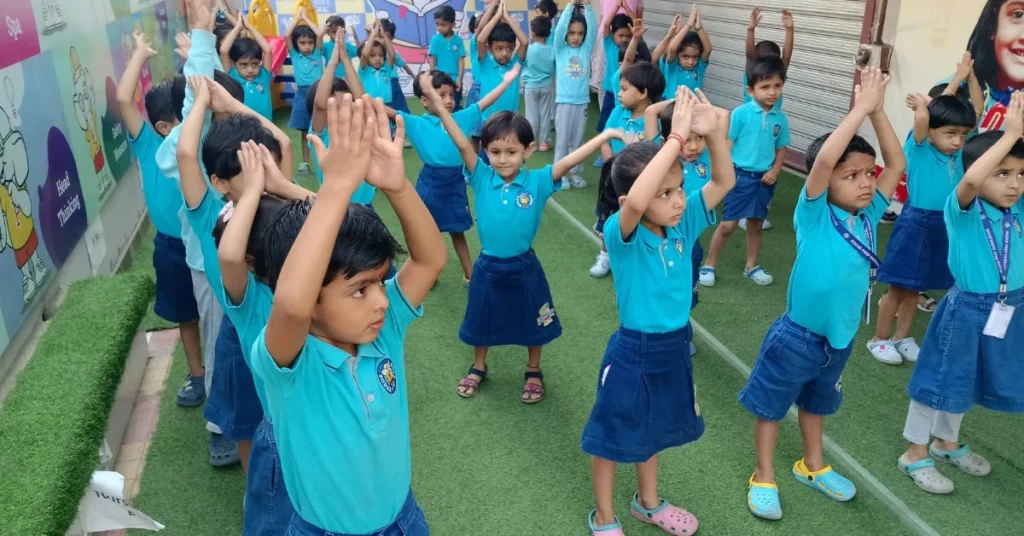
Preschool is often a child’s first experience in a structured social group outside the family. Here, they interact regularly with children of similar age, which helps them understand different personalities and behaviors.
Children learn to:
- Start conversations by greeting classmates and introducing themselves during circle time.
- Take turns while playing games, speaking in group discussions, or using shared classroom materials.
- Share toys and resources without feeling possessive, understanding that cooperation leads to positive experiences.
- Understand personal space and physical boundaries in a classroom setting.
- Read social cues, such as recognizing when someone wants to join a game or needs help.
These interactions teach children the basics of forming friendships and functioning in a group environment.
2. Developing Strong Communication Skills
Communication is at the heart of social development. Preschool encourages children to express themselves clearly and respectfully.
They develop:
- Verbal communication skills through storytelling, rhymes, show-and-tell, and classroom discussions.
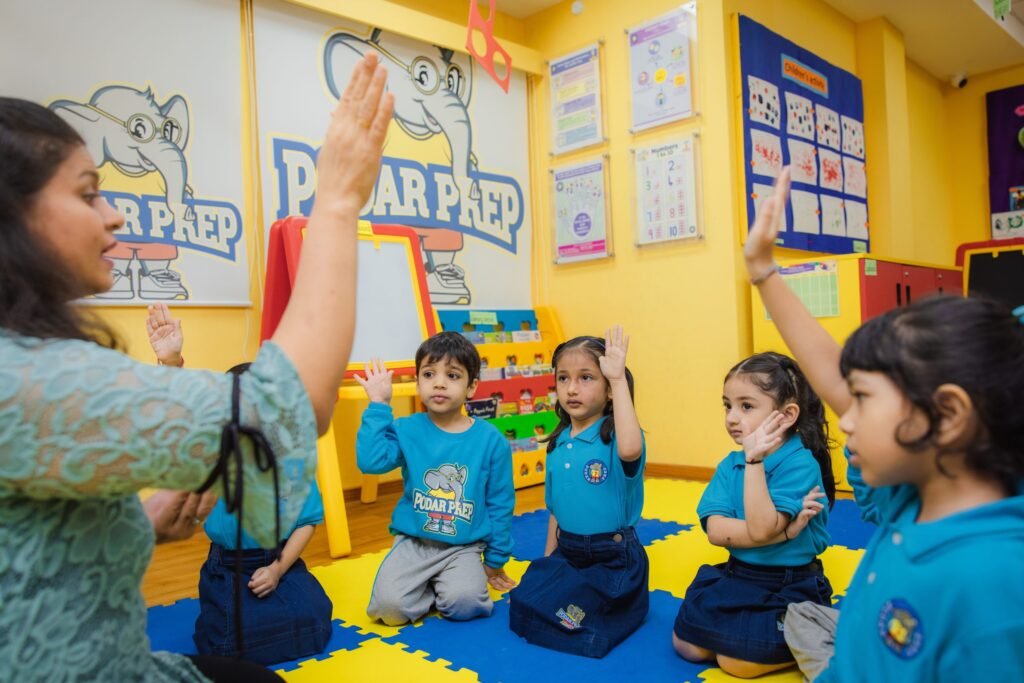
- Listening skills by paying attention when teachers or classmates speak.
- Confidence in expressing needs, such as asking for help or explaining feelings.
- Non-verbal communication awareness, including understanding facial expressions and body language.
- Vocabulary expansion, enabling children to better describe emotions and experiences.
Over time, children learn that effective communication helps avoid misunderstandings and strengthens relationships.
3. Understanding Social Rules and Boundaries
Preschool introduces structure, which is essential for social growth. Children begin to understand that rules exist to maintain fairness and safety.
They learn to:
- Follow instructions from teachers and caregivers.
- Wait patiently for their turn during activities.
- Respect authority figures and peers alike.
- Understand consequences of certain actions.
- Adapt to group norms, such as cleaning up after playtime.
Learning boundaries early helps children transition smoothly into formal schooling and other structured environments.
4. Building Empathy and Emotional Awareness
Social development is deeply connected to emotional understanding. Preschool environments encourage children to recognize and respect emotions both their own and others’.
Children practice:
- Identifying emotions such as happiness, sadness, frustration, and excitement.
- Expressing feelings using words instead of actions.
- Showing kindness when a classmate feels upset.
- Celebrating others’ achievements, which builds positive peer relationships.
- Understanding different perspectives, which fosters compassion.
Through guided activities, storytelling, and teacher modeling, children develop empathy — a critical skill for lifelong social success.
5. Boosting Self-Confidence and Independence
Social growth builds confidence. When children successfully manage social situations, they develop a strong sense of self-worth.
Preschool helps by encouraging children to:
- Make simple decisions independently, such as choosing activities.
- Participate in group performances or presentations.
- Complete small responsibilities, like organizing materials.
- Build friendships independently, without parental assistance.
- Express opinions respectfully, even if they differ from others.
This independence enhances social confidence and prepares children for future challenges.
6. Creating a Sense of Belonging
A supportive preschool environment fosters inclusion and belonging.
Children feel:
- Accepted and valued within their peer group.
- Safe to express themselves without fear of judgment.
- Encouraged to participate actively in activities.
- Connected to their teachers and classmates.
A sense of belonging strengthens emotional security, which directly supports social confidence.
How Can the Right Preschool Help Build Your Child’s Emotional Strength?
The right preschool does much more than teach alphabets and numbers. It creates a safe, caring environment where children learn to understand their feelings, express themselves, and handle everyday challenges confidently. These early experiences strongly shape a child’s emotional strength and personality.
Here’s how good preschools support this growth:
1. Creating a Safe and Supportive Environment
A quality preschool provides a warm and welcoming space where children feel secure. When kids feel safe, they are more willing to speak, explore, and try new things without fear.
Teachers who listen patiently, comfort upset children, and encourage participation help build trust. This sense of emotional safety is the first step toward confidence and independence.
2. Teaching Children to Understand and Express Feelings
Young children often feel strong emotions but don’t know how to explain them. Good preschools help by:
- Teaching emotion words like happy, sad, angry, or worried
- Encouraging children to talk about their feelings
- Using stories, pictures, and activities to explain emotions
Approaches inspired by methods such as Montessori focus on helping children express themselves calmly instead of reacting through crying or tantrums.
3. Encouraging Independence and Self-Confidence
Preschools help children learn small responsibilities such as:
- Keeping their bags and water bottles properly
- Eating on their own
- Cleaning up toys after playing
- Completing simple tasks without help
When children successfully do these things, they feel proud and capable. This builds emotional strength and self-belief.
4. Helping Children Handle Challenges and Frustration
In preschool, children naturally face small challenges waiting for their turn, losing a game, or solving a disagreement with a friend.
Teachers guide them to:
- Stay calm instead of crying or shouting
- Try again after mistakes
- Use words to solve problems
- Understand that losing or waiting is normal
These experiences teach resilience, which is a key part of emotional strength.
5. Building Empathy and Kind Behaviour
The right preschool teaches children to care about others. Through group play, celebrations, and shared activities, children learn to:
- Notice when a friend is upset
- Offer help or comfort
- Share and cooperate
- Respect different personalities
This emotional awareness helps children build strong relationships later in school and life.
6. Providing Consistent Routine and Structure
Daily routines like circle time, playtime, snack time, and storytelling give children a sense of stability. Predictable schedules reduce anxiety and help children feel in control of their environment.
When children know what to expect, they feel calmer and more emotionally secure.
7. Partnering With Parents for Emotional Development
Good preschools also communicate regularly with parents about a child’s behaviour and progress. This teamwork ensures that children receive consistent emotional support both at school and at home.
Organizations like UNICEF emphasize that early learning environments combining teacher guidance and parental support play a major role in shaping emotional well-being.
Teaching Methods That Strengthen Emotional Growth
Preschools use different teaching methods to help children understand their feelings, build confidence, and learn how to interact with others. The right methods focus not only on academics but also on emotional development through everyday experiences, play, and guidance.
Here are some important teaching approaches that support emotional growth in young children:
Play-Based Learning
Play is one of the most powerful ways children learn emotions. Through games and free play, kids naturally experience sharing, teamwork, patience, and problem-solving.
For example:
- Playing with blocks teaches cooperation
- Pretend play helps children express feelings
- Group games teach waiting for turns
This method allows children to learn emotional control in a natural and stress-free way.
Activity-Based Learning
In activity-based classrooms, children learn by doing rather than just listening. Activities like drawing, music, dancing, and crafts help children express their emotions creatively.
When children complete activities on their own, they feel a sense of achievement, which builds confidence and emotional strength.
Montessori-Inspired Learning
Teaching styles influenced by the Montessori approach focus on independence, choice, and self-paced learning.
This helps emotional growth because:
- Children learn to make decisions
- They solve small problems independently
- They develop patience and concentration
- They feel respected and capable
Such classrooms often produce children who are calm, confident, and self-motivated.
Storytelling and Role-Play
Stories help children understand different emotions and situations. Teachers use storytelling to show:
- How characters solve problems
- How kindness and empathy work
- How to handle fear, anger, or sadness
Role-play activities allow children to act out real-life situations, helping them practice emotional responses in a safe environment.
Positive Reinforcement and Gentle Guidance
Instead of punishment, good preschools guide children using encouragement and gentle correction.
Teachers:
- Praise effort, not just results
- Help children understand mistakes calmly
- Encourage trying again
- Teach polite behaviour through example
This builds self-esteem and reduces fear or insecurity.
Group Interaction and Social Learning
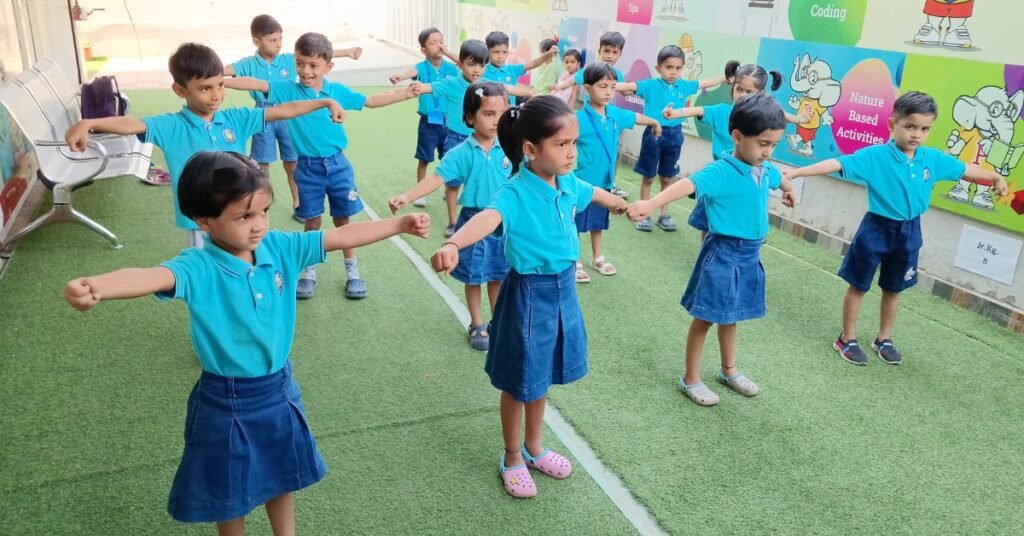
Children grow emotionally when they interact daily with peers. Group learning activities help them:
- Understand different personalities
- Learn cooperation and compromise
- Develop empathy and patience
- Build friendships
Research from child-development bodies like American Academy of Pediatrics highlights that early peer interaction strongly supports emotional regulation and social confidence.
Routine-Based Teaching
Consistent schedules help children feel secure. When activities happen at predictable times, children:
- Feel safe and less anxious
- Adjust easily to transitions
- Learn discipline and responsibility
This sense of stability supports emotional balance.
Long-Term Benefits of Preschool Social Training
Preschool social training helps children develop skills that benefit them throughout life. When children learn to communicate, share, and manage emotions early, they adjust more easily to school and build stronger relationships.
Key long-term benefits include:
Easier adjustment to primary school routines Better communication and confidence in speaking Strong emotional control and ability to handle challenges Healthier friendships and social confidence Improved focus and academic performance Greater independence and self-belief
Child development experts, including American Academy of Pediatrics, emphasize that early social learning builds the foundation for future success in education, relationships, and career.
The Role of Teachers in Emotional and Social Development
- Create a safe and supportive classroom where children feel comfortable, valued, and confident to express themselves.
- Teach children to recognise and express emotions by encouraging them to use words for feelings instead of reacting through crying or anger.
- Guide positive social behaviour such as sharing, taking turns, listening, and cooperating with classmates.
- Help resolve conflicts calmly by teaching children how to talk, listen, apologise, and find solutions instead of fighting.
- Encourage independence and confidence by motivating children to try tasks on their own and praising their efforts.
- Give personal attention to each child, supporting shy, sensitive, or active children according to their needs.
- Act as strong role models, because children learn kindness, patience, and respect by observing their teachers daily.
Child development bodies like UNICEF note that caring teacher–child interactions strongly influence emotional stability and social skills in early years.
Tips for Parents to Support Social Learning at Home
Here are practical tips parents can actually follow to help children build social skills at home:
- Encourage daily conversations – Talk to your child about their day, feelings, and experiences so they learn how to express themselves clearly.
- Teach polite words and habits – Practice saying please, thank you, sorry, and excuse me in everyday situations so it becomes natural.
- Arrange playtime with other kids – Playdates, park visits, or family gatherings help children learn sharing, teamwork, and communication.
- Let children solve small problems themselves – If they argue with a sibling or friend, guide them instead of solving it immediately so they learn conflict resolution.
- Use stories to teach behaviour – Bedtime stories or real-life examples help children understand kindness, empathy, and respect.
- Model good social behaviour – Children copy adults, so show patience, polite speech, and respectful interaction at home.
- Give small responsibilities – Tasks like setting the table or helping clean up teach cooperation and responsibility.
- Appreciate positive behaviour – Praise when your child shares, helps, or speaks politely so they feel encouraged to repeat it.
Experts in early childhood development, including UNICEF, emphasize that children learn social behaviour best when parents practice it consistently at home.
Give Your Child the Perfect Start to Lifelong Success
Choosing the right preschool is one of the most important decisions you make for your child’s future. A nurturing and well-structured preschool environment does far more than prepare children academically.
When children learn how to share, cooperate, express feelings, resolve conflicts, and work as a team at an early age, they develop a strong social foundation that supports lifelong success. These early experiences help them transition smoothly into primary school and grow into empathetic, independent, and socially confident individuals.
If you want your child to grow in a nurturing environment that builds confidence, empathy, and independence, enroll today at the best montessori pre-school in Kiwale Ravet and give them a strong foundation for lifelong success.
 Call us today to schedule a school visit.
 Book your admission session today.
 Contact us today for admission details.