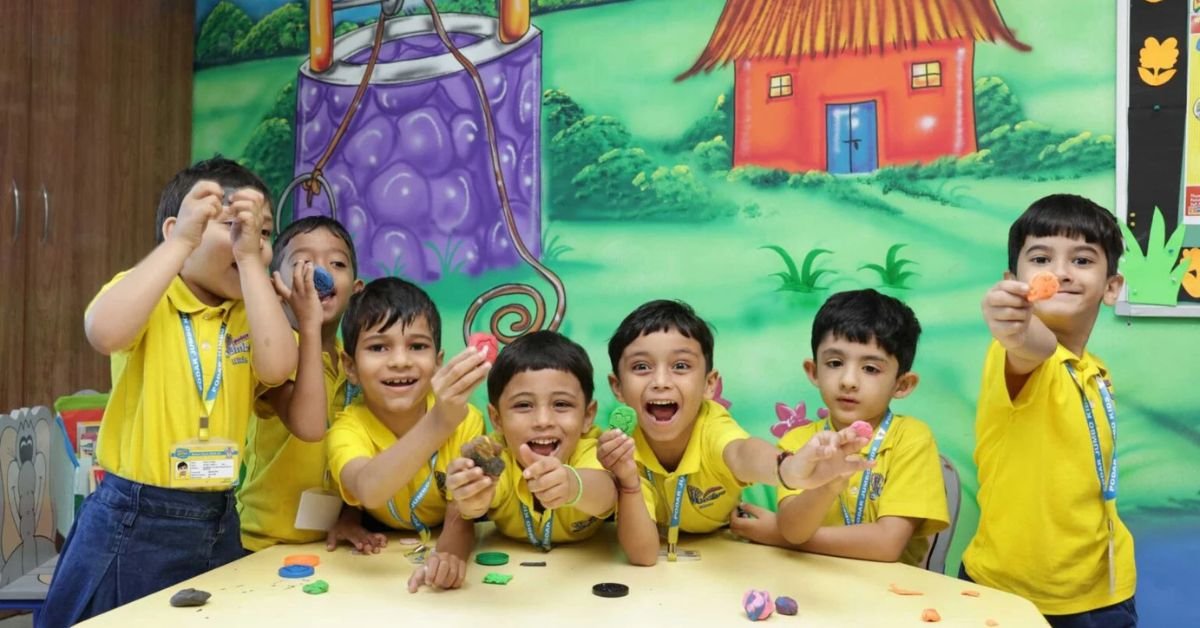
Many parents wonder, “Is nursery really necessary?” or “Is my child too young to start school?” These concerns are natural, especially when children are still in their early years. However, research and early childhood education experience consistently show that the first five years of life are critical for brain development. During this period, children form essential learning patterns, social behaviors, and emotional responses that shape their future growth.
Nursery school is often a child’s first structured experience outside the home. It gently introduces them to new people, routines, and learning environments in a safe and supportive way. More than just childcare,it builds the foundation for learning habits, behavior, and confidence that will support children throughout their academic journey.
The Role of Nursery Education in Shaping Young Minds
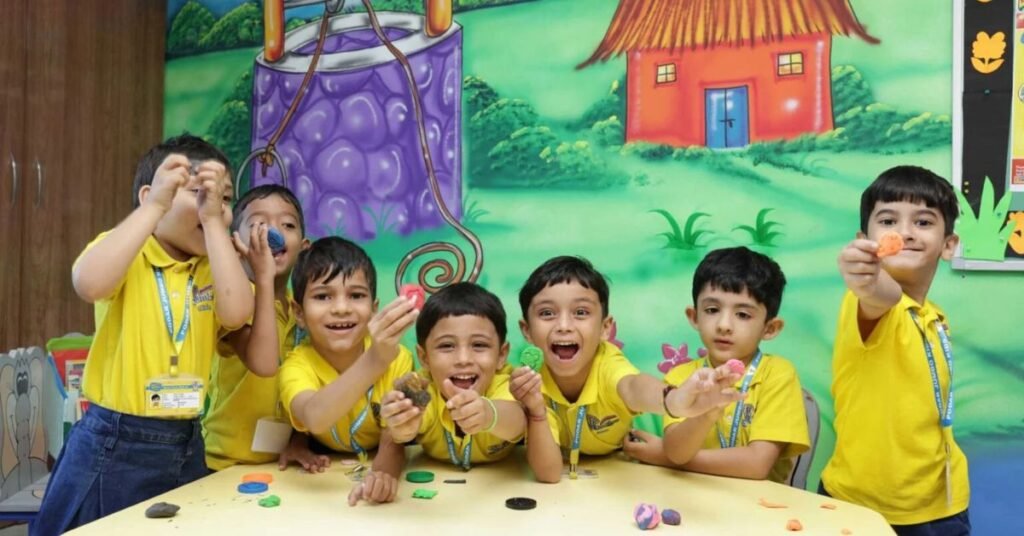
Many parents worry about whether their child will feel comfortable around other children, make friends, and adjust to group settings. The education at Podar Little Maestros plays a vital role in helping young children develop essential social skills in a safe and supportive environment.
1. Sharing and cooperation
Children learn to share toys, materials, and space with peers during play and classroom activities. They begin to understand taking turns and working together toward a common goal. These experiences build teamwork skills and positive social behavior.
2. Making friends
Daily interaction with the same group of children helps them build friendships naturally. This early bonding reduces shyness and helps children feel a sense of belonging. Friendships also support emotional security and confidence.
3. Group activities
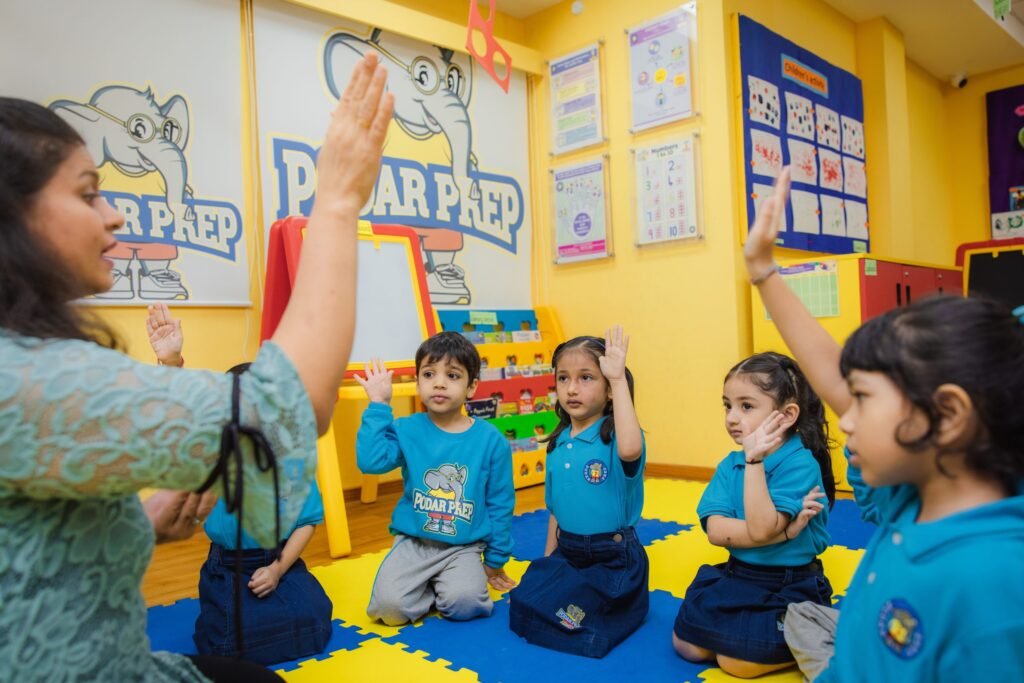
Circle time, games, storytelling, and collaborative tasks encourage participation and teamwork. Children become comfortable being part of a group and following social routines. Regular group engagement strengthens communication and cooperation.
4. Respect and empathy
Through guided interactions, children learn to respect others’ feelings, listen patiently, and show kindness. They start recognizing emotions in themselves and others. This awareness helps them develop compassion and healthy relationships.
By providing regular opportunities for interaction, it gradually helps children feel confident in social situations. They learn how to communicate, cooperate, and connect with peers, making them more comfortable in classroom environments and future school settings.
How Nursery Education at Podar Little Maestros Helps Children Become Independent
Many parents worry about how their child will cope emotionally when starting school, especially being away from home for the first time. Nursery environments are designed to gently support children through this transition, helping them feel secure, confident, and emotionally strong
1. Separation from parents –
Short, structured time away from parents helps children gradually adjust to independence. With caring teachers and reassuring routines, they learn that separation is temporary and safe. This gentle transition reduces anxiety and builds trust in new environments.
2. Self-confidence-
Participating in activities, completing small tasks, and receiving encouragement helps children believe in their abilities. These positive experiences strengthen self-esteem and willingness to try new things. Confidence gained early supports future learning and social participation
3. Expressing feelings-
We encourage children to communicate emotions through words, play, and creative activities. They learn to express happiness, frustration, or needs in healthy ways. Emotional expression helps children regulate feelings and develop coping skills.
4. Sense of belonging –
Being part of a classroom community helps children feel accepted and valued. Building self-confidence in children, familiar routines, friendships, and teachers at Podar Little Maestros create emotional comfort and security. Feeling included strengthens attachment and social confidence.
Through consistent care, supportive relationships, and positive experiences, it helps children feel safe exploring the world beyond home. This emotional security forms the foundation for independence, confidence, and healthy social development.
Developing Strong Language and Communication Skills in Young Learners
Many parents hope we will help their child talk more clearly, use new words, and communicate confidently. Our environments are rich in language experiences that naturally support speech and communication development during early childhood.
- Songs, poems, and stories expose children to new sounds, words, and sentence patterns. Repetition and rhythm make language easier to remember and encourage children to speak along.
- Daily interaction with caring educators encourages children to express needs, thoughts, and experiences. Guided conversations help improve sentence formation and clarity.
- Activities, themes, and play introduce new words related to objects, actions, and emotions. Children gradually expand their vocabulary through meaningful use in context.
- Group time and instructions teach children to listen carefully and respond appropriately. Strong listening skills support understanding and effective communication.
Through constant exposure to language, interaction, and expressive activities, it helps children become confident speakers and communicators. Early communication skills developed in school form the foundation for social interaction and future learning success.
How Early Education Helps Children Speak, Listen, and Express Themselves
Many parents wonder what meaningful learning happens in it beyond playtime. In reality, Our classrooms are designed to support early brain development through play-based learning experiences that build thinking, memory, and problem-solving skills.
1. Shapes, colors, and numbers
Children are introduced to basic concepts through sorting, matching, counting games, and visual activities. These playful experiences build early math and recognition skills. Understanding these concepts supports later academic learning.
2. Memory and thinking
Songs, sequences, puzzles, and recall activities strengthen memory and attention span. Children learn to observe, remember, and connect ideas. Strong memory skills enhance learning and comprehension.
3. Problem-solving
Building blocks, fitting shapes, and simple challenges encourage children to think independently and find solutions. They begin to understand cause and effect. Early problem-solving builds logical thinking and confidence.
4. Curiosity
Exploration, questioning, and hands-on discovery nurture natural curiosity. Children learn by experimenting, touching, and trying new ideas. Curiosity drives motivation and a lifelong love for learning.
Play-based learning stimulates multiple areas of the brain simultaneously. Through engaging activities and exploration, it helps children develop foundational cognitive skills that support future learning, reasoning, and creativity.
How Early Learning Helps Children Thrive in Class
Many parents wonder whether it truly makes a difference once formal schooling begins. The answer is yes. The school creates the foundation skills children need to adapt smoothly to primary school, both academically and socially.
1. Following Instructions
Children learn to:
- Listen carefully when a teacher speaks
- Understand step-by-step instructions
- Complete small tasks independently
- Follow classroom rules
These skills help children adjust quickly in primary school classrooms.
2. Sitting in Class
Nursery education helps children:
- Sit in a group during circle time
- Pay attention to stories or activities
- Wait for their turn
- Stay engaged in structured tasks
This prepares them for longer classroom sessions in later grades.
3. Routine and Discipline
Schools follow schedules, and we introduce children to structured daily routines:
- Fixed activity times
- Transitions between tasks
- Clean-up and responsibility habits
- Respecting rules and boundaries
Familiar routines reduce anxiety when children enter formal school.
4. Learning Habits
We build positive attitudes toward learning through enjoyable activities:
- Interest in books and activities
- Ability to start and finish tasks
- Persistence when tasks feel challenging
- Confidence in trying new things
These habits directly support academic success later.
5. How We Supports Future School Success
Children who attend with us often enter primary school with:
- Better listening and attention skills
- Familiarity with classroom behavior
- Confidence in group settings
- Early independence
This strong start helps them adapt faster and perform better in school.
Our school plays a crucial role in preparing children for formal education. By building routines, learning habits, and classroom readiness skills, it creates a smooth transition into primary school.
Fostering Independence Through Structured Daily Routines
Parents often want to know whether an education can help their child gain independence. We provide a supportive environment where children gradually learn to do things on their own, building confidence and self-reliance.
- Encourages table manners and polite eating habits
- Teaches patience while waiting for turns during snack time
- Reinforces washing hands and personal hygiene
- Teaches children to recognize bodily cues and respond appropriately
- Encourages children to take care of personal items
- Teaches organization skills that carry over into school and home routines
- Fosters problem-solving and task completion skills
- Teaches children to follow steps and stay focused until the task is done
Developing independence early makes children more confident and capable in daily life and school settings.
Understanding the Benefits of Play-Based Education
Many parents wonder if play-based activities in nursery actually contribute to learning. The answer is yes play is one of the most effective methods for early brain development.
1. Play-Based Education
Structured and unstructured play allows children to explore concepts in engaging, hands-on ways. Through playful activities, children learn naturally while having fun, making it easier for them to absorb new ideas. Play helps develop problem-solving skills, encourages decision-making, and fosters independence as children choose activities and experiment with different approaches. Beyond cognitive growth, play also supports social skills, teamwork, and communication, as children interact with peers in games, role-play, and collaborative tasks.
2. Hands-On Activities
Hands-on activities, such as manipulating blocks, puzzles, or sensory materials, enhance both fine motor skills and problem-solving abilities. By physically exploring objects, children develop hand-eye coordination, dexterity, and logical thinking. These activities encourage focus, patience, and persistence as children complete tasks and overcome challenges independently. Furthermore, hands-on learning promotes creativity and experimentation, allowing children to test ideas, make discoveries, and learn through trial and error in a supportive environment.
3. Exploration
Exploration encourages children to satisfy their natural curiosity and understand cause-and-effect relationships. Through observation, experimentation, and hands-on discovery, children develop critical thinking, problem-solving, and decision-making skills. Exploration also nurtures independence, as children choose what to investigate and how to approach it. By engaging in activities like sensory play, nature walks, or simple experiments, children develop a love for learning and early scientific thinking that forms a strong foundation for future academic growth.
4. Creativity
Creativity in nursery is cultivated through art, music, imaginative play, and storytelling. These activities allow children to express their emotions, ideas, and imagination freely while enhancing fine motor skills and cognitive development. Creative play also fosters collaborative skills when children share ideas and work on projects together, building confidence and self-esteem. Additionally, imaginative activities teach children to think flexibly, explore multiple solutions, and develop resilience, helping them approach problems with innovative thinking both in school and in life.
Play-based learning develops cognitive, social, emotional, and physical skills while making learning enjoyable.
The Importance of Active Play for Healthy Physical Development in Young Children
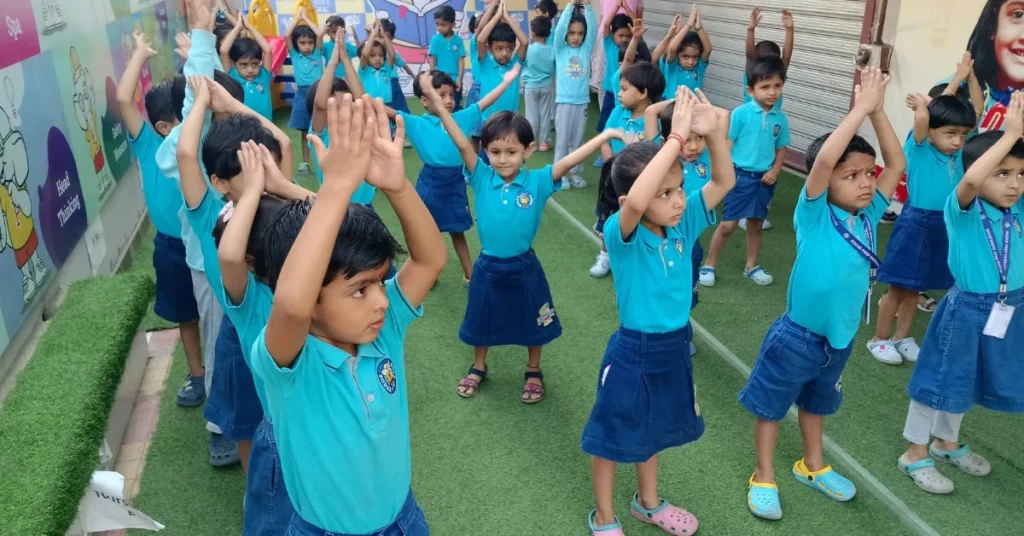
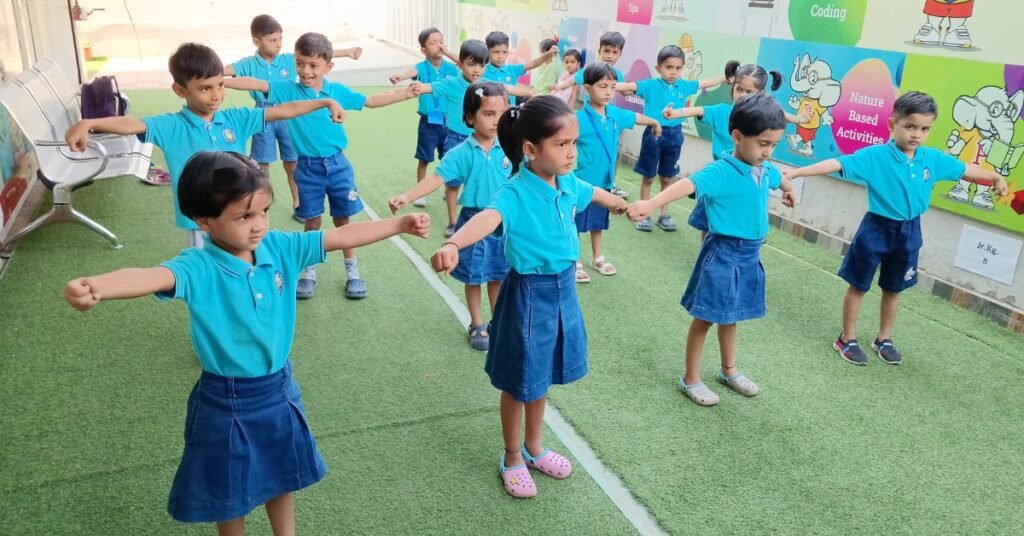
Parents often want their child to stay physically healthy and active. We promote movement, coordination, and overall motor development.
1. Fine Motor Skills
Activities like coloring, threading, and puzzles improve hand-eye coordination and dexterity.
- Helps children develop precision and control in everyday tasks like writing or buttoning clothes
- Strengthens small muscles in hands and fingers, supporting early academic skills such as drawing and cutting
2. Gross Motor Skills
Running, jumping, climbing, and balance games strengthen large muscle groups.
- Encourages overall physical fitness, endurance, and body strength
- Helps children gain confidence in movement while exploring interesting ways to inculcate healthy habits in children, supporting an active and healthy lifestyle.
3. Balance and Coordination
Structured physical activities enhance body control, posture, and spatial awareness.
- Improves stability and coordination needed for sports and playground activities
- Supports safe and confident movement, reducing the risk of accidents as children navigate different environments
4. Outdoor Play
Time spent outdoors boosts fitness, energy, and social interaction with peers.
- Provides opportunities for imaginative and cooperative play with other children
- Exposes children to natural environments, promoting exploration, curiosity, and a love for the outdoors
Active play supports healthy growth, concentration, and confidence in movement.
How Early Childhood Programs Keep Children Safe and Supported
Safety is a top concern for parents. A quality nursery combines trained teachers, child-friendly spaces, and supervision to create a secure and supportive environment.
How Our School Ensures Safety and Nurturing Care
- Trained teachers – Educators are skilled in child development, behavior management, and early learning methods.
- Child-friendly space – Classrooms, furniture, and play areas are designed to minimize risks and maximize comfort.
- Emotional care – Teachers provide reassurance, encouragement, and understanding, helping children feel secure.
- Supervision – Close monitoring ensures children are safe during all activities, indoors and outdoors.
Why Early Education Matters: Long-Term Benefits of Attending Nursery School
Attending school helps children build a strong foundation for learning, social skills, and personal growth, setting them up for success in school and life.
- Children learn to focus, follow instructions, and develop a love for learning. These skills make the transition to formal schooling smoother and more confident.
- Early achievements and positive encouragement help children feel capable. They approach new tasks with self-assurance and a willingness to try.
- It teaches children how to work with others, share, take turns, and communicate kindly. These skills improve friendships and make social situations easier to navigate.
- Fun, engaging activities foster curiosity, persistence, and a growth mindset. Children learn to enjoy learning and see challenges as opportunities.
Our school equips children with the skills, confidence, and habits they need to succeed academically, socially, and emotionally throughout life.
Growing Confident Kids for a Brighter Tomorrow
Nursery School Admission in Borhade Wadi, Moshi is now open! It plays a vital role in your child’s early development, providing a strong foundation for learning, social skills, and emotional growth. By enrolling your child in a nurturing and engaging environment, they can explore, play, and learn confidently while developing independence and curiosity. A quality experience helps children build essential life skills, preparing them for primary school and beyond.
Admissions Now Open! Enroll your child today for a fun, safe, and confidence-building learning journey. Limited seats available — don’t miss the opportunity to secure your child’s spot!
Call us today to schedule a visit and learn more about enrollment.