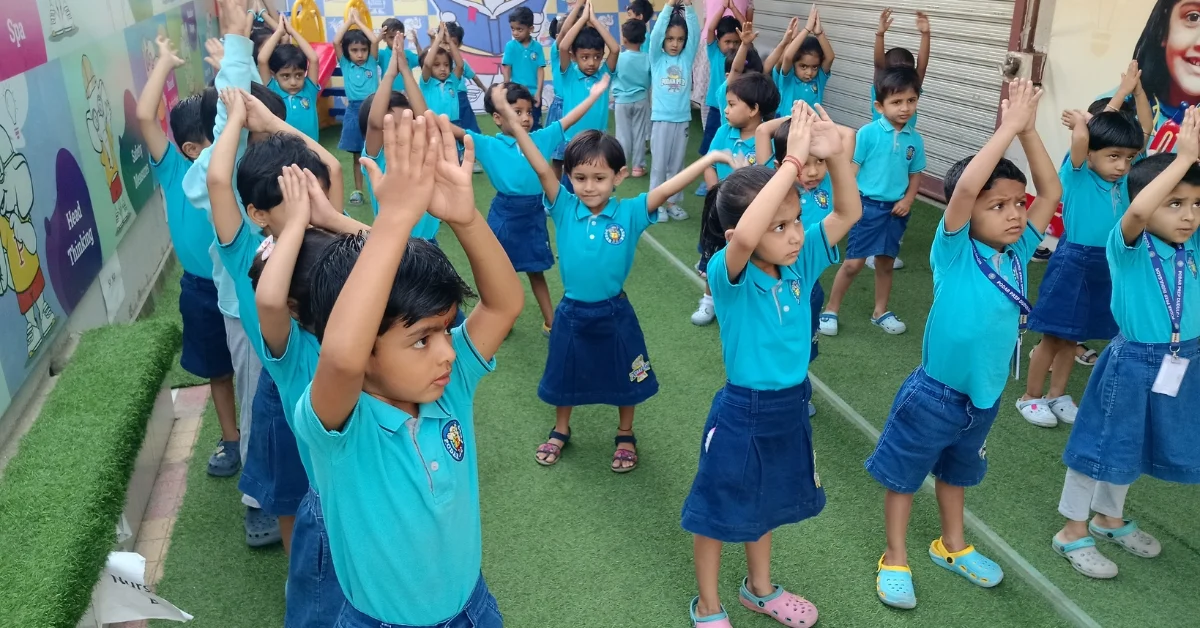
The early years of a child’s life are filled with rapid emotional, social, and cognitive development. During this stage, children begin forming their sense of self, how they feel about their abilities, how they interact with others, and how comfortable they are exploring the world around them. For many parents, one of the biggest concerns is whether their child will grow into a confident and independent individual. This is where preschool education plays a vital role.
A nurturing preschool environment introduces children to structured routines, social interactions, and guided learning experiences outside the familiarity of home. These early exposures help children gradually build self-confidence, make decisions independently, and develop trust in their abilities.
Why Are Confidence and Independence Important in Early Childhood?
The early childhood stage, especially between the ages of two and six, is a critical period for shaping a child’s personality, behaviour, and learning approach. During these preschool age years, children develop self-awareness, begin expressing their thoughts, and explore their abilities. Confidence and independence formed at this stage play a major role in child personality development and long-term success.
- Preschool age period is when children build the basic emotional, social, and cognitive skills that influence their future learning and behaviour.
- During the early childhood stage, children start forming beliefs about their abilities and identity, which shapes their self-confidence and personality.
- Preschool age children naturally seek autonomy by selecting activities, sharing ideas, and attempting tasks independently, which strengthens self-belief.
- Confident children participate more actively, interact comfortably with peers, and approach new experiences with curiosity rather than fear.
- When children handle small responsibilities and challenges on their own, they develop resilience, decision-making skills, and adaptability.
Nurturing confidence and independence during the early childhood stage helps preschool age children grow into secure, capable, and socially confident individuals who are ready for school and lifelong learning.
How Does Preschool Help Develop Confidence in Children?
Preschool provides a supportive environment where young children gradually develop self-belief through participation, expression, and positive reinforcement. Well-planned preschool activities encourage children to explore their abilities, interact with peers, and experience success in everyday tasks. These early experiences play a vital role in building confidence in preschool age children and preparing them for future learning.
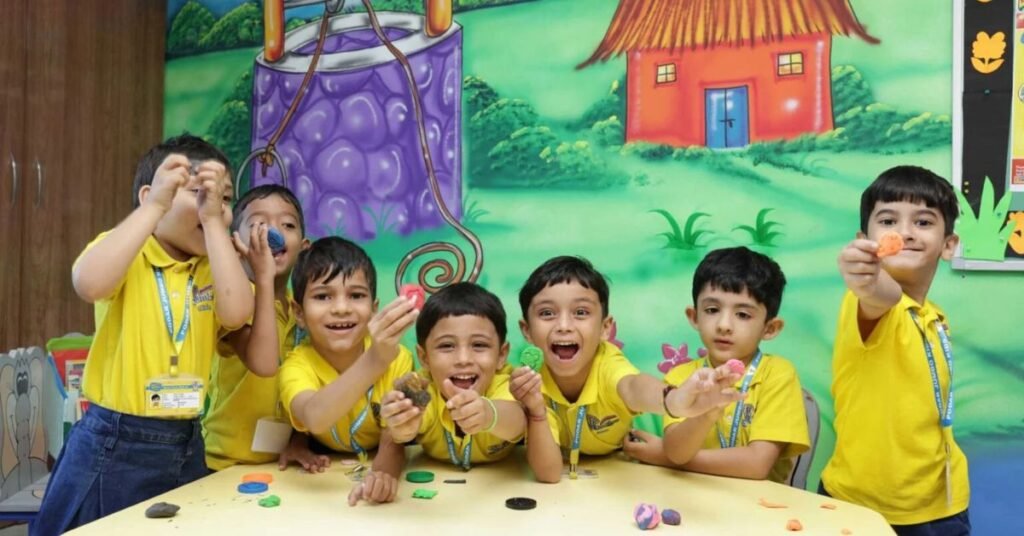
1. Participation in group activities
Taking part in circle time, games, and collaborative tasks helps children feel included and valued, strengthening confidence in preschool social settings. It also teaches teamwork, cooperation, and respect for others’ ideas..
2. Expression through storytelling, art and play
Creative preschool activities allow children to share ideas, imagination, and emotions freely, which enhances self-expression and self-assurance. This freedom encourages originality and builds communication skills.
3. Teacher encouragement and positive praise
Supportive feedback from educators reassures children that their efforts are appreciated, promoting motivation and confidence in preschool learning. Positive reinforcement also nurtures a growth mindset from an early age.
4. Small achievements build self-belief
Completing puzzles, answering questions, or finishing tasks independently gives children a sense of accomplishment and capability. These everyday successes gradually strengthen resilience and self-trust.
5. Reduced fear of new situations
Regular exposure to structured preschool activities and social learning experiences helps children become comfortable with new environments and challenges. Over time, this familiarity reduces anxiety and builds adaptability.
Through consistent participation, creative expression, and supportive guidance, preschool nurtures confidence in preschool age children, enabling them to engage actively in social learning and future academic experiences.
How Does a Preschool Environment Foster Independence in Young Children?
Developing independence in children is a key goal of early childhood education. A well-structured preschool environment provides daily opportunities for children to practice self-help skills, make decisions, and manage responsibilities on their own. Through consistent preschool routines and guided experiences, children gradually learn to rely on their abilities and take initiative in everyday tasks.
1. Self-help routines such as managing bags, shoes and clean-up
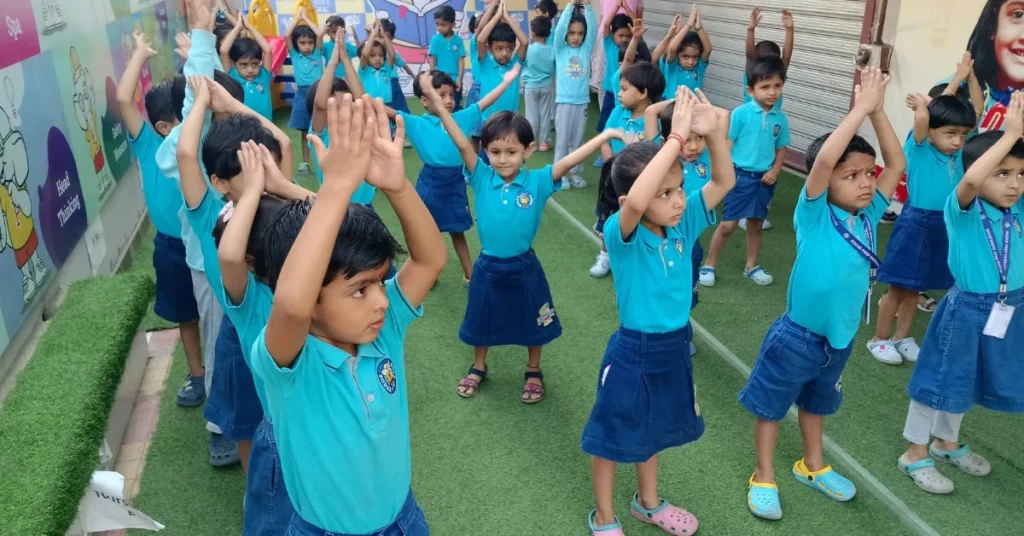
Daily preschool routines encourage children to organize their belongings, wear shoes independently, and tidy up after activities, strengthening practical self-help skills. These habits also foster discipline and a sense of responsibility from an early age.
2. Decision-making opportunities
Choosing activities, materials, or play areas allows children to practice independence in children by making simple choices and understanding consequences. This freedom helps develop confidence in their own judgment.
3. Responsibility for personal belongings
Taking care of water bottles, books, and classroom materials helps children develop ownership, accountability, and self-management habits. It also teaches respect for shared spaces and resources.
4. Following instructions and routines
Structured preschool routines teach children to listen, understand directions, and complete tasks independently, promoting confidence and autonomy. Consistent routines create a sense of security and predictability.
Problem-solving situations
Guided challenges during play or group activities encourage children to find solutions on their own, building resilience and independence in children. Overcoming small obstacles strengthens perseverance and critical thinking.
By consistently practicing self-help skills within supportive preschool routines, children develop independence, responsibility, and confidence that prepare them for school and everyday life.
How Does Play-Based Learning Build Confidence in Children?
A play-based preschool approach is widely recognized as one of the most effective ways to build confidence in early childhood. Learning through play allows children to explore ideas, express creativity, and develop skills naturally without fear of failure. In a well-designed preschool curriculum, play becomes a meaningful learning tool that supports emotional, social, physical, and language development while strengthening self-belief.
- Engaging in games, role-play, and hands-on preschool activities helps children understand concepts naturally, making learning enjoyable and confidence-building.
- Art, music, storytelling, and imaginative play in a play-based preschool environment allow children to express ideas and emotions freely, enhancing self-assurance.
- Learning through play removes performance anxiety, enabling children to experiment, make mistakes, and try again without fear, which strengthens confidence.
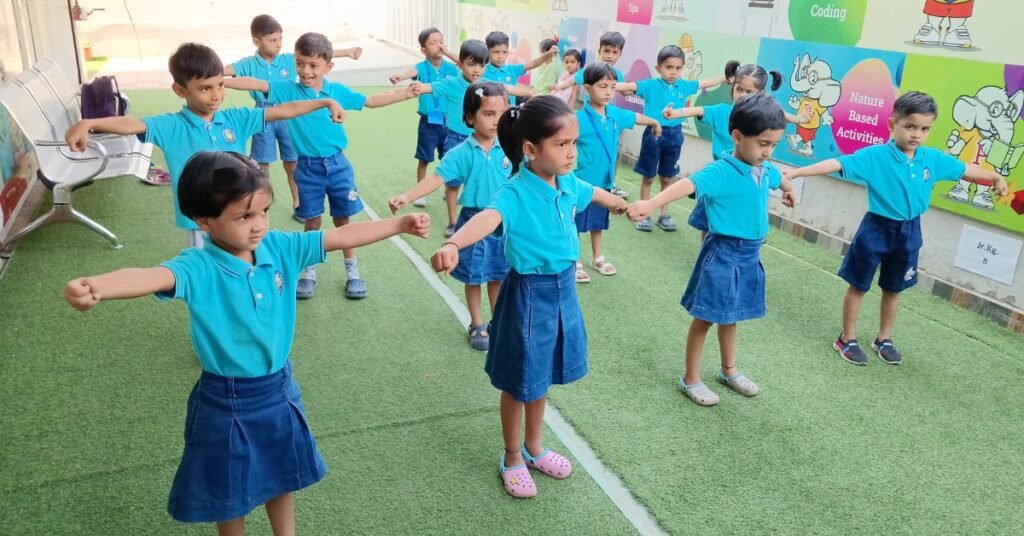
- Climbing, balancing, running, and movement activities in a preschool curriculum improve coordination and body awareness, helping children trust their physical abilities.
- Conversation, pretend play, and group storytelling activities encourage children to speak, share thoughts, and interact, building verbal confidence.
Through learning through play in a nurturing play-based preschool setting, children develop curiosity, competence, and confidence that support lifelong learning and development.
What Role Do Teachers at Podar Little Maestros Play in Developing Child Confidence?
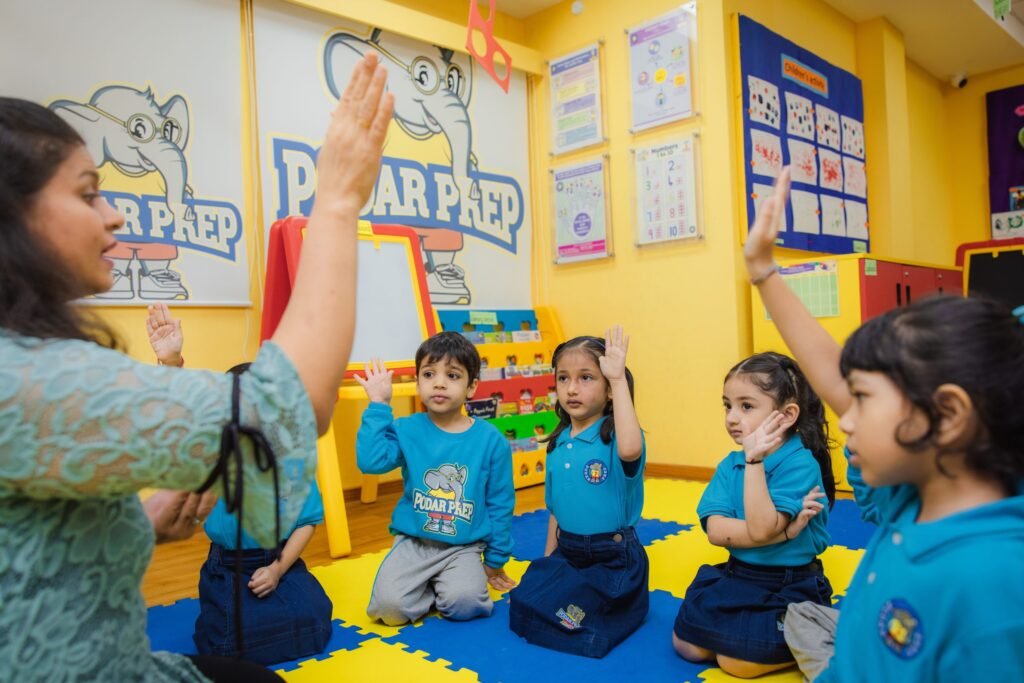
Teachers play a central role in shaping a child’s self-belief and emotional security during the early years. Skilled early childhood educators understand that confidence grows when children feel supported, respected, and encouraged. In a nurturing preschool environment, teacher interactions, guidance, and feedback directly influence how children perceive their abilities and approach learning experiences.
1. Encouragement instead of criticism
Supportive preschool teachers focus on guiding children gently rather than pointing out mistakes, helping them feel safe to try new tasks without fear. This approach builds trust and a positive attitude toward learning.
2. Recognition of effort and progress
Early childhood educators praise attempts, persistence, and improvement rather than perfection, teaching children that learning comes through effort. This reinforces perseverance and a growth mindset.
3. Creating a safe emotional environment
A nurturing preschool atmosphere where children feel accepted and understood allows them to express themselves freely and build self-confidence. Feeling emotionally secure supports healthy social development.
4. Providing individual attention
Observing each child’s strengths and interests helps preschool teachers offer personalized support that makes children feel valued and capable. Tailored guidance encourages children to reach their potential.
5. Positive reinforcement and reassurance
Encouraging words, smiles, and acknowledgment from teachers motivate children to participate, explore, and believe in their abilities. Consistent reassurance strengthens self-esteem and willingness to learn.
Through the guidance of caring early childhood educators in a nurturing preschool setting, children develop trust in themselves, confidence in learning and the courage to engage with new experiences.
Why Does Early Confidence Matter for Lifelong Success?
Confidence developed during the preschool years extends far beyond early childhood and significantly influences a child’s future learning, behavior, and relationships. When children grow in a supportive environment that nurtures self-belief and independence, they become confident learners who approach challenges with curiosity and determination. These early child development benefits create a strong foundation for school readiness and lifelong success.
1. Stronger academic readiness
Confident learners are more willing to participate in classroom activities, ask questions, and engage with new concepts, supporting overall school readiness. This active involvement helps them grasp foundational skills more effectively.
2. Greater social comfort in school environments
Children who develop confidence in preschool adapt more easily to group settings, form friendships comfortably, and communicate effectively with peers and teachers. Social ease also encourages positive classroom participation.
3. Improved decision-making ability
Early opportunities to make choices help children develop judgment, responsibility, and independent thinking skills that support academic and personal growth. These skills foster self-directed learning habits.
4. Higher resilience when facing challenges
Preschool confidence helps children view mistakes as learning opportunities, enabling them to persist through difficulties and adapt to new situations. This resilience supports long-term academic success.
5. Emerging leadership traits
Confident learners are more likely to take initiative, guide peers during activities, and express ideas, laying the foundation for future leadership skills. Early leadership experiences also strengthen teamwork and responsibility.
These child development benefits highlight how nurturing confidence in the preschool years plays a crucial role in preparing children for school readiness, positive relationships, and lifelong learning success.
What Can Parents Do to Build Confidence in a Child?
While preschool plays a significant role in nurturing self-belief, the home environment equally influences a child’s confidence and independence. Simple daily interactions and supportive parenting approaches can greatly strengthen child confidence at home during the preschool years.
- Allow independence in daily tasks- Encouraging children to dress themselves, organize toys, or complete small chores helps build independence skills and self-belief. These small responsibilities also foster a sense of capability and ownership.
- Praise effort rather than perfection– positive feedback focused on trying and persistence supports child confidence at home and motivates children to attempt new challenges. This approach nurtures a healthy attitude toward learning and mistakes.
- Encourage decision-making opportunities – Letting children choose clothes, books, or activities empowers them to think independently and trust their choices. Making simple decisions strengthens judgment and responsibility.
- Provide emotional support and reassurance- Listening to feelings, validating emotions, and guiding problem-solving helps children feel secure and confident. Emotional understanding builds trust and resilience.
- Build consistent routines- Predictable daily schedules for meals, play, and sleep create stability, helping children manage tasks independently and develop responsibility. Consistency also supports self-discipline and confidence in daily habits.
By following these parenting tips for preschool children, families can reinforce independence skills and nurture child confidence at home, complementing the positive experiences children gain in preschool.
How Do You Select the Best Preschool for Your Child?
Selecting the right preschool is one of the most important decisions parents make during the early years. A quality preschool environment directly influences a child’s confidence, independence, and overall development. Podar Little Maestros the best preschool will provide a balanced setting that supports learning through play, safety and personalized attention.
- Understand Your Child’s Needs: Every child has a unique personality and learning pace. Select a preschool that supports your child’s emotional readiness, interests, and comfort level to ensure a smooth transition into early education.
- Check the Curriculum and Teaching Approach: Look for a preschool with a structured, play-based curriculum that focuses on skill development, early literacy, numeracy, and overall growth instead of rote learning.
- Assess Teacher Qualifications and Interaction: Qualified and caring teachers are essential for early childhood development. Ensure the school maintains a low teacher-student ratio and promotes positive teacher-child interaction.
- Look for Holistic Development Opportunities: Choose a preschool that balances academics with creative activities, physical development, social skills, and emotional growth to build confident learners.
- Read Reviews and Seek Recommendations: Parent reviews and recommendations provide valuable insights into school culture, teaching quality, and child development outcomes.
- Observe Your Child’s Comfort Level: During a school visit, notice how comfortable and engaged your child feels. A positive response is a strong sign of the right preschool environment.
What Makes Podar Little Maestros a Nurturing and Future-Ready Preschool?
Choosing a preschool is about more than just early academics; it’s about finding a place where your child feels secure, inspired, and prepared for the future. Podar Little Maestros stands out as a nurturing and forward-thinking preschool that blends care, innovation and globally aligned education to give children the best possible start.
- At Podar Little Maestros (formerly Podar Jumbo Kids), the curriculum is thoughtfully crafted to reflect the progressive vision of India’s NEP 2020 while integrating globally respected early-learning frameworks such as EYFS (UK) and EYLF (Australia). This balanced approach ensures that children benefit from both national educational priorities and internationally proven early childhood practices.
- NEP 2020 emphasizes experiential, play-based and child-centric learning in the foundational years, an approach that encourages curiosity, creativity and conceptual understanding rather than rote memorization. At the same time, the EYFS and EYLF frameworks bring structured developmental milestones, observation-based assessment, and a strong focus on social-emotional growth and school readiness.
- Classroom activities are designed to be interactive and meaningful, allowing children to explore concepts through storytelling, hands-on play, sensory experiences, art, music, and movement. This integrated methodology not only prepares children for a smooth transition into primary school but also nurtures confidence, independence, and a lifelong love for learning.
Through this unique alignment of NEP 2020 with EYFS and EYLF principles, Podar Little Maestros offers a truly modern, holistic preschool curriculum that meets both national expectations and international benchmarks giving children a strong, future-ready foundation.
A Confident Start for a Bright Future
Preschool plays a powerful role in shaping a child’s confidence and independence. A strong preschool experience helps them step outside their comfort zone, interact confidently with others, make simple choices independently, and develop responsibility in small but meaningful ways.
When children feel capable and supported, they grow into self-reliant learners who are ready for primary school and beyond. If you are looking for the best montessori pre-school in Moshi, choose a learning space that empowers children to think independently, participate actively, and grow with confidence.
 Admissions are now open — schedule a visit today and give your child a strong, independent start.
 Limited seats available.
  Contact us today for detailed admission information and enrollment assistance.