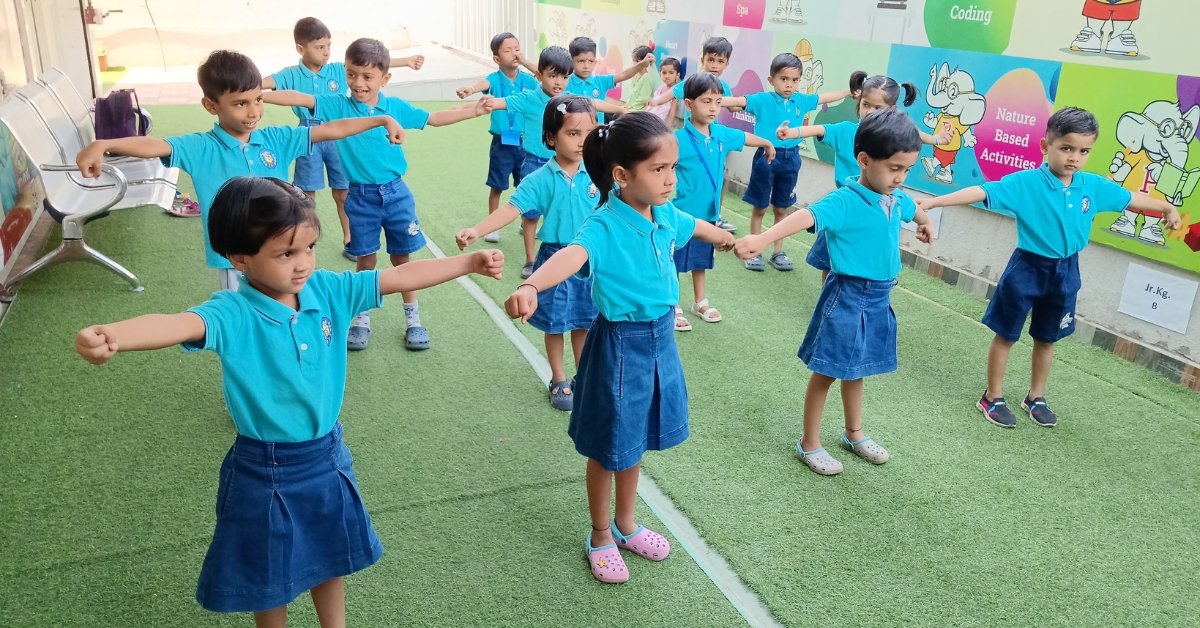
Education is no longer just about textbooks, homework, and exam scores. Parents today are looking for more than academic excellence they want their children to grow into confident individuals who can communicate clearly, think independently, and handle challenges with ease. This is where skill-based education plays an important role.
When children actively participate in their learning, they become more curious and engaged. They learn how to express their ideas, ask questions, and collaborate with others. Over time, this builds self-belief and confidence qualities that are just as important as academic performance.
For parents, this approach offers peace of mind. It ensures that children are not only learning subjects but also developing the practical skills and confidence they need to succeed in school and beyond. Skill-based education creates a balanced foundation where knowledge and personal growth go hand in hand.
What Is Skill-Based Education?
Skill-based education is a learning approach that focuses on developing practical skills along with academic knowledge. Instead of depending only on memorization and written exams, this method helps students understand concepts clearly and apply them in real-life situations. The main aim is to create confident, capable learners who are prepared for both academic success and everyday challenges.
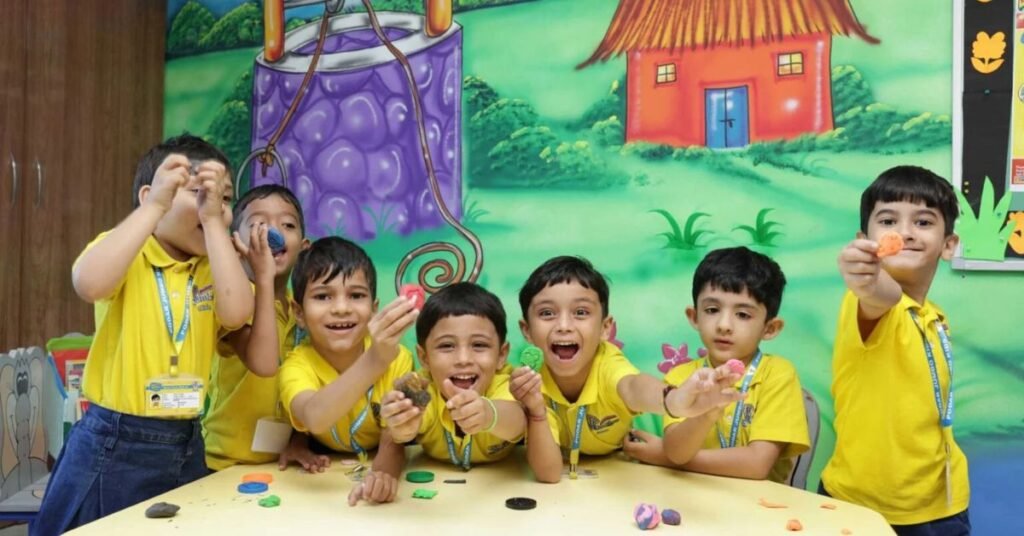
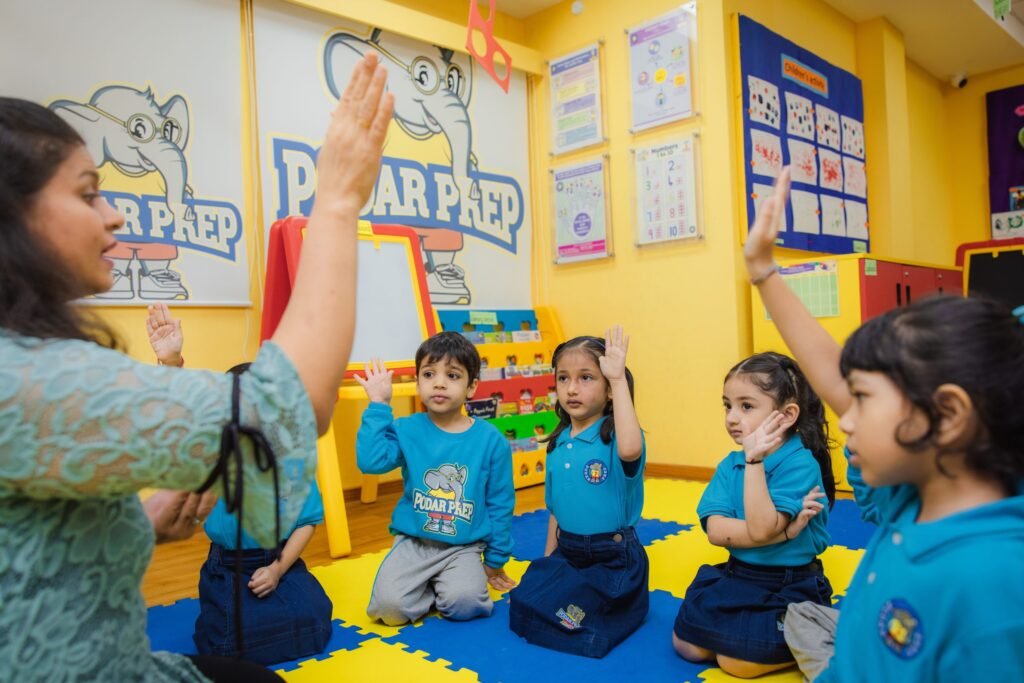
In a skill-based learning environment, children are encouraged to actively participate in the classroom rather than passively listen. Learning becomes more interactive, engaging, and meaningful.
Key Elements of Skill-Based Education
- Experiential Learning: Students learn by doing through activities, experiments, and real-world projects.
- Communication Skills Development: Regular presentations, discussions, and storytelling sessions improve speaking and listening skills.
- Critical Thinking & Problem-Solving: Children are encouraged to analyze situations, ask questions, and find solutions independently.
- Collaboration & Teamwork: Group tasks help students learn cooperation, leadership, and respect for different opinions.
- Continuous Assessment: Evaluation is based on overall performance, participation, and understanding not just exam scores.
Unlike traditional teaching methods that focus heavily on rote learning, skill-based education supports holistic development. It strengthens subject knowledge while also building confidence, creativity, and emotional intelligence.
How Does Skill-Based Learning Build Confidence in Children?
Skill-based learning plays a powerful role in shaping a child’s self-belief and overall personality. Here’s how it helps build confidence step by step:
- Encourages Active Participation: Children are involved in discussions, activities, and presentations, which helps them become comfortable speaking in front of others.
- Improves Communication Skills: Regular storytelling, show-and-tell, and group interactions strengthen verbal expression and listening abilities.
- Promotes Independent Thinking: Problem-solving tasks encourage children to think on their own instead of depending on memorized answers.
- Provides Hands-On Learning Experiences: Practical activities and projects help children understand concepts better, reducing fear of mistakes.
- Creates a Safe Environment to Express Ideas: When students are encouraged to share opinions without judgment, they develop self-assurance.
- Recognizes Individual Strengths: Skill-based education highlights each child’s talents, whether in academics, arts, sports, or leadership.
- Encourages Teamwork and Leadership: Group activities teach cooperation and responsibility, helping children feel capable and valued.
- Focuses on Continuous Improvement: Feedback-based assessments build confidence gradually rather than creating pressure through exam-only evaluation.
Benefits of Skill-Based Learning
Skill-based learning offers many advantages, but here are five key benefits explained in detail for parents:
1. Builds Strong Communication Skills
Skill-based learning emphasizes activities like group discussions, presentations, storytelling, and show-and-tell sessions. Children practice expressing their thoughts clearly and confidently. This helps them not only in classroom interactions but also in social situations, boosting their overall self-expression and interpersonal skills.
2. Encourages Critical Thinking and Problem-Solving
Instead of relying on rote memorization, students learn to analyze problems, evaluate options, and make decisions independently. Activities like experiments, puzzles, and real-life scenario tasks sharpen their reasoning abilities. Over time, children become more capable of thinking creatively, solving challenges on their own, and approaching new situations with confidence.
3. Boosts Self-Confidence
Skill-based learning allows children to actively participate in tasks, projects, and presentations. Each achievement, no matter how small, reinforces their sense of competence. The supportive learning environment also reduces fear of making mistakes, encouraging children to try new things.
4. Develops Leadership and Teamwork Skills
Group activities, collaborative projects, and classroom responsibilities help children learn how to lead and cooperate with others. We understand how to take initiative, share responsibilities, and respect different perspectives. These experiences build both leadership qualities and a strong sense of teamwork, preparing children for group activities in school and later in life.
5. Prepares Children for Real-Life Challenges
By connecting learning to real-world applications, children gain practical knowledge and life skills. From problem-solving to communication and decision-making, skill-based education equips them to handle everyday challenges confidently. This holistic approach ensures children are ready not just for exams, but for future academic pursuits, careers and personal growth.
What Key Skills Do Children Develop at Podar Little Maestros Through Skill-Based Learning?
Podar Little Maestros focuses on nurturing confident, well-rounded children through skill-based learning. This approach ensures that every child not only gains academic knowledge but also develops essential life skills. Here’s a detailed look at the key skills children develop and why parents can trust the school:
1. Future-Ready Skill Labs
We create dedicated mini skill labs that give children hands-on experience in multiple areas:
- STEM Corners: Encourage exploration through experiments, coding basics, and simple robotics, helping children understand science and math in real-life contexts.
- Creative Arts Studio: Provide spaces for painting, crafts, music, and drama to nurture imagination and self-expression.
- Public Speaking & Storytelling Lab: Regular activities in a structured environment help children build confidence in speaking and presentation skills.
- Life Skills Simulation Zones: Simulate daily life activities such as shopping, banking, or community service projects, teaching practical skills from an early age.
These labs create an engaging, experiential learning environment that goes beyond books and exams.
2. Confidence-Building Programs
Confidence is at the heart of skill-based learning. Programs can include:
- Little Leaders Program: Children take responsibility for small classroom tasks, learning leadership in a guided setting.
- Monthly Stage Exposure Days: Every child gets an opportunity to perform or present in front of peers, gradually reducing stage fear.
- Role-Play Career Days: Kids explore different professions through role-play, boosting self-expression and awareness of the world.
- Personality Development Workshops: Age-appropriate sessions help children articulate thoughts, handle emotions, and build self-esteem.
Such programs make children feel capable, self-assured, and ready to take on challenges.
3. Parent Partnership Model
The school can strengthen trust by actively involving parents in their child’s growth:
- Monthly Parenting Workshops: Provide tips on supporting children’s skill development at home.
- Home Learning Kits: Send curated activities aligned with classroom learning to encourage practice and engagement at home.
- Skill Progress Reports: Detailed reports on each child’s development in creativity, communication, teamwork, and emotional intelligence, not just academics.
- Individual Growth Planning: Teachers discuss personalized learning paths with parents to track and support each child’s unique strengths.
A transparent partnership keeps parents confident and involved in their child’s early education journey.
4. Emotional Wellness Curriculum
Emotional intelligence is critical for lifelong success. We integrate structured programs like:
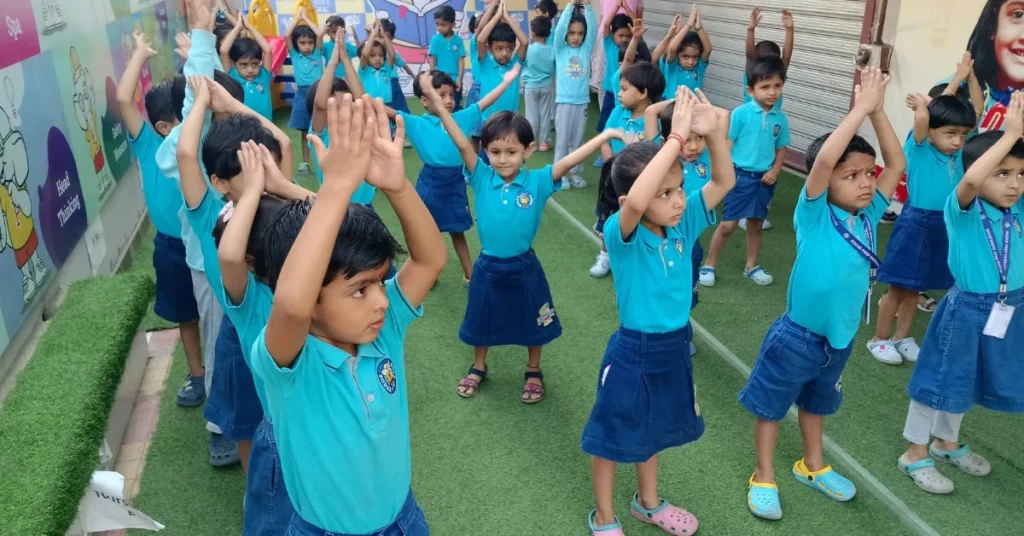
- Mindfulness Activities: Short breathing and relaxation exercises help children manage stress and focus better.
- Gratitude Circles: Kids share positive thoughts, encouraging empathy and kindness.
- Guided Emotional Expression: Activities like drawing or storytelling allow children to express feelings safely.
- Conflict Resolution Learning: Role-play and discussions teach children how to resolve disagreements calmly and respectfully.
This ensures children grow emotionally balanced alongside academic and social development.
5. Real-World Exposure Programs
Children learn best when classroom lessons are connected to real-life experiences:
- Community Helper Days: Interactions with doctors, firefighters, or police officers help children understand social roles.
- Nature-Based Learning: Outdoor activities, gardening, and field trips connect children to the environment and practical science.
- Mini Entrepreneurship Activities: Classroom markets or product-making projects teach planning, teamwork, and financial understanding.
- Field Visits: Carefully selected trips link learning concepts to real-world examples, making lessons tangible and memorable.
Such exposure nurtures curiosity, practical knowledge, and life skills from an early age.
6. Talent Discovery & Nurturing System
Every child is unique, and the right learning environment helps identify and nurture their individual strengths from an early age.
- Early Talent Identification: Teachers observe children’s interests and abilities in academics, arts, sports, or leadership.
- Customized Growth Paths: Personalized activities allow children to develop skills at their own pace and interest.
- Annual Talent Portfolio: Parents receive a comprehensive overview of their child’s growth across multiple domains, showcasing progress beyond academics.
This system ensures children feel valued and motivated, and parents can see tangible results of their child’s development.
7. Safe & Smart Learning Environment
Parents prioritize safety as much as learning. The school offers:
- Child-Friendly Infrastructure: Age-appropriate classrooms, play areas, and furniture ensure safety and comfort.
- Low Teacher-Student Ratio: Personalized attention ensures no child is left behind.
- Safety Drills: Regular fire, earthquake, and emergency preparedness drills teach children awareness and responsibility.
- Secure Campus Monitoring: Transparent systems for parent reassurance without compromising privacy.
A safe, structured environment builds trust and allows children to explore confidently.
8. Digital Readiness with Balance
Introducing technology responsibly prepares children for the future while maintaining healthy habits:
- Interactive Learning Tools: Smart boards, educational apps, and digital projects make learning fun and interactive.
- Guided Tech Usage: Teachers monitor screen time and ensure technology is used as a learning aid, not a distraction.
- Digital Literacy Programs: Age-appropriate lessons on basic tech skills, internet safety, and coding foundations.
This balance ensures children are tech-ready without losing focus on creative, physical, and social learning.
How Your Child Can Discover Their Unique Talents at Podar Little Maestros?
At Podar Little Maestros, every child is treated as a unique individual with their own strengths, interests, and potential. The school believes that early childhood is the perfect time to identify and nurture these talents, and its skill-based learning approach is designed to do just that. Here’s how your child’s unique abilities are discovered and developed:
1. Personalized Attention from Experienced Educators
Teachers at Podar Little Maestros observe each child carefully to understand their natural interests whether it’s drawing, storytelling, problem-solving, sports or leadership. By paying attention to how children respond to different activities, educators can guide them toward areas where they naturally excel.
2. Diverse Learning Experiences
The school offers a wide variety of activities and programs, including:
- Art, music, and creative crafts
- STEM experiments and logical games
- Storytelling, dramatics, and public speaking
- Team-based games and collaborative projects
Exposure to these different areas helps children explore multiple domains, making it easier to identify their passions and strengths.
3. Encouragement to Explore and Experiment
We creates a safe environment where children are encouraged to try new things without fear of failure. Whether a child enjoys painting a picture, building a model, or leading a team activity, every effort is celebrated. This boosts self-confidence and helps children discover what they truly enjoy and excel at.
4. Individual Growth Plans
Once a child’s strengths and interests are observed, teachers design personalized growth plans that focus on nurturing these talents. This may include specialized activities, projects, or challenges that allow children to further develop their skills while still enjoying learning.
5. Regular Feedback and Parent Engagement
The school keeps parents informed about their child’s progress through detailed reports and interactive discussions. Parents can see which areas their child excels in and how they are growing emotionally, socially, and academically. This partnership ensures children receive consistent support both at school and at home.
Why Every Parent Can Trust Podar Little Maestros with Their Child’s Growth?
- Play-Based & Experiential Learning Approach: The curriculum blends global early education practices and encourages children to learn through exploration, activities, and real-life experiences.
- Symphonics – Structured Language Program: A specialized phonics-based program that strengthens early reading, speaking, and language development skills.
- Number Magic – Multi-Sensory Math Learning: A structured numeracy program that helps children understand mathematical concepts through hands-on and concrete learning methods.
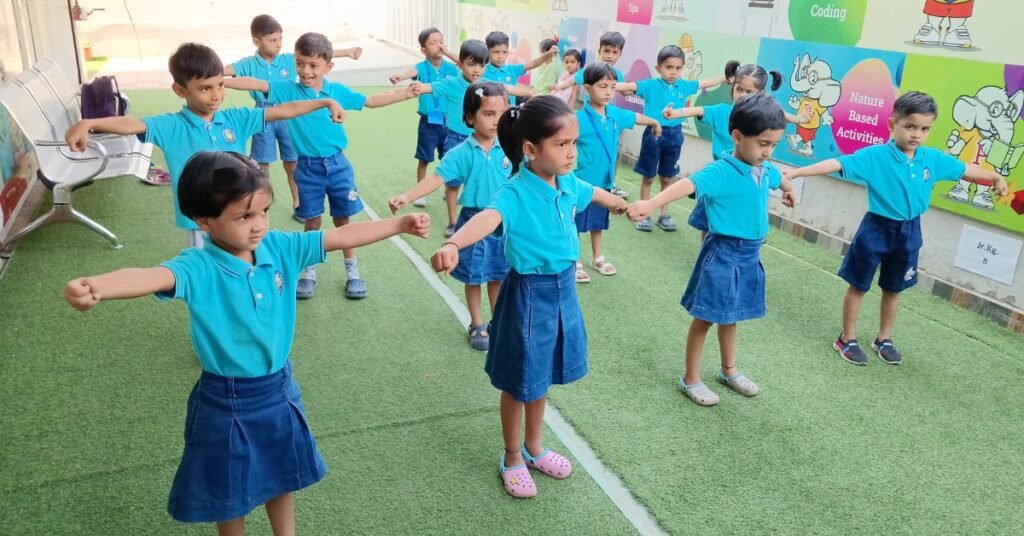
- Enrichment Activities & Field Trips: Activities like puppet shows, yoga, parachute play, science exploration, and field visits enhance creativity, coordination, and social development.
- Age-Appropriate Programs (Playgroup to Senior KG): Well-defined programs are created for each age group, ensuring learning milestones are achieved step by step.
- Qualified & Trained Teachers: Educators are trained in early childhood education methodologies to provide structured and nurturing guidance.
Building Strong Foundations for a Bright Tomorrow
Choosing the right preschool lays the foundation for your child’s lifelong learning journey. A nurturing environment, research-based curriculum, strong literacy and numeracy programs, and a play-based approach together ensure that children grow academically, emotionally, and socially.
If you are looking for the best montessori preschool in Kiwale, Ravet choose a learning environment that combines play-based education, strong academic foundations, and holistic development.
 Enquire now, visit the campus, and take the first step toward your child’s bright future.